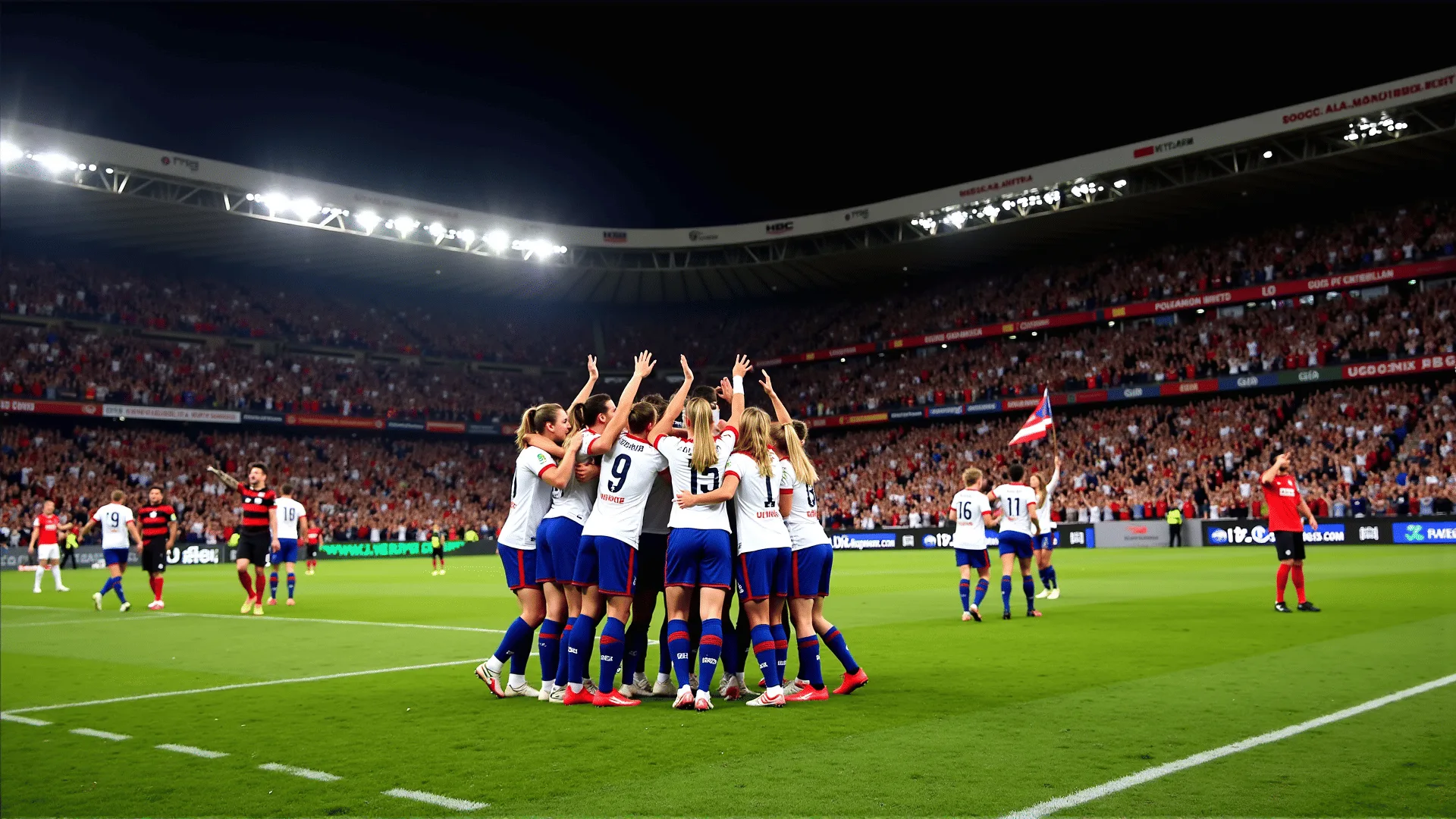
The latest international tournament witnessed the USA national soccer team showcasing both potential and areas that beckon improvement. As the team stepped onto the field, expectations were high, and the narrative unfolded with moments of brilliance intertwined with lessons learned.
The USA kicked off their campaign with a tactical formation that leaned heavily on their strength—a robust midfield supported by a flexible defense. Coach Gregg Berhalter opted for a 4-3-3 lineup, focusing on quick transitions and pressing high up the pitch. This strategy aimed to disrupt opponents' play and capitalize on quick counter-attacks, a method that has proved successful in past outings.
Statistically, the team's performance provided a mixed bag of results. The attacking force, spearheaded by emerging star Ricardo Pepi and seasoned player Christian Pulisic, demonstrated flashes of creativity and skill. The duo's ability to read the game and exploit defensive lapses was pivotal in securing crucial goals during the tournament's initial stages. Pepi, in particular, was instrumental, not only with his scoring prowess but also with his capacity to hold up play and link up effectively with midfielders.
Despite this offensive potential, the team encountered challenges in maintaining consistent possession against higher-ranked adversaries. Midfield dynamo Weston McKennie was tireless in his efforts to shield the backline and initiate forward plays, yet there were instances where the midfield struggled to impose its rhythm, leading to turnovers in dangerous areas.
Defensively, the team showed grit, anchored by the experienced Walker Zimmerman. He offered a calming presence in the back, organizing the defensive line and stepping in with timely interceptions. However, lapses in concentration in set-piece defence occasionally left the team vulnerable, resulting in conceding goals that could have been avoided with greater discipline and coordination.
The goalkeeping department also had moments of both brilliance and misfortune. Matt Turner, tasked with safeguarding the goal, pulled off several critical saves that kept the USA in contention during tight matches. His decision-making, particularly in aerial threats and coming off the line, proved vital, though a momentary lapse contributed to a soft goal that was heavily scrutinized.
As the tournament progressed, the contributions of key players became ever more pronounced. Sergiño Dest's versatility and ability to join attacks added a different dimension to the team's play, while Tyler Adams, as captain, was the heartbeat of the team. His relentless energy and leadership on the pitch exemplified his pivotal role in the lineup.
Post-tournament analysis suggests that while the USA's tactical approach is on the right path, there is a pressing need for more cohesive play under pressure. The squad's youth and relative inexperience on the international stage were evident at times, but these experiences are essential building blocks for future success. With fine-tuning and greater emphasis on maintaining composure and control, particularly in high-stakes situations, the team holds promising potential for future tournaments.
Overall, the USA national soccer team's journey in the latest international tournament was a narrative of growth. They displayed moments of individual brilliance and team solidarity, setting a foundation upon which future successes can be built. As the players return to their clubs, the experience gained will undoubtedly serve them well as they continue to develop and refine their craft, each eager to contribute to the national team’s future endeavors.